Optimizing The Wireless Dual Lapel Mic System
 Maya ChenContributing Editor
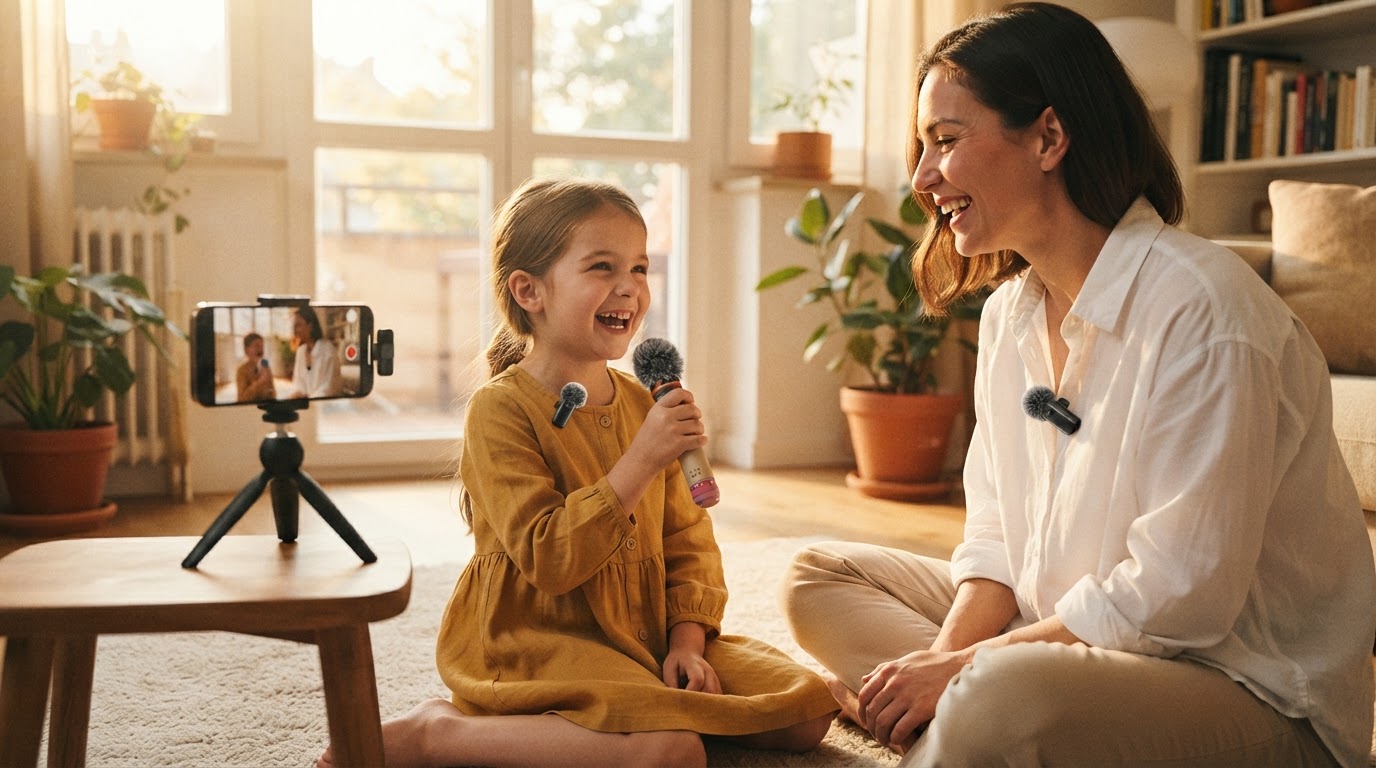
October 8, 2026. This technical analysis explores the systematic deployment of a wireless dual lapel mic system for multi-subject audio recording. It is intended for creators and educators who require synchronous dual-channel capture without the cable constraints of traditional lavalier setups.
The Interference Reality in Multi-Person Audio
The conventional wisdom says that adding a second microphone to a mobile recording setup is a simple matter of plug-and-play connectivity. In practice, the transition from a single-source input to a dual-channel environment introduces significant signal management challenges that most entry-level guides ignore. When two transmitters operate in close proximity, the risk of radio frequency (RF) interference and phase cancellation increases exponentially. Reddit discussions regarding the best dual lavalier mic for podcasting outdoors frequently highlight the frustration of signal dropouts when users attempt to sync two independent units to a single receiver. The hardware must be designed to handle discrete channel isolation, or the resulting audio will suffer from a muddy, compressed soundstage where the two voices bleed into one another. According to current user sentiment on Reddit, the primary failure point for teachers and vloggers isn't the microphone capsule quality itself, but the receiver's inability to maintain a stable handshake with two distinct transmitters in high-traffic 2.4GHz environments.
Here's the part nobody talks about: most mobile devices are not natively designed to process two high-bitrate audio streams through a single port without specific hardware handshaking. This is particularly evident when looking for a wireless dual lavalier microphone for iphone, where the operating system's aggressive battery management can throttle the power supplied to the external receiver. Without a dedicated power management circuit in the microphone system, one channel often exhibits a lower signal-to-noise ratio than the other, leading to an unbalanced recording that requires hours of post-production correction. The assumption that digital wireless systems are immune to the physics of RF congestion is a fallacy that leads many creators to buy underpowered equipment that fails during critical interviews.
Hardware Architecture of the Dual Lapel Microphone
Run the math: a standard mono recording at 48kHz/24-bit requires a specific data throughput that is easily handled by modern smartphones. However, when you double that input for a dual lapel microphone for interview scenarios, the hardware must maintain two simultaneous, low-latency streams. The Dual Lapel Microphone system addresses this through a proprietary dual-channel receiver that manages the multiplexing at the hardware level before the signal ever reaches the recording software. This is crucial for users who have moved to newer hardware and require a dual mic lightning adapter for iphone 15 or a USB-C equivalent. By utilizing a system with integrated gain control, users can adjust for the disparate vocal volumes of two different speakers—a feature that Search Console data shows is a high-priority requirement for professional users searching for a "dual lav mic with gain control."
The physical design of the Dual Lapel Microphone system utilizes high-gain omnidirectional capsules that are tuned to reject off-axis noise, which is essential for a dual clip on microphone for youtube vlogging where the environment is rarely controlled. Unlike standard microphones that rely on the phone's internal pre-amps, this system provides a clean signal boost at the source. This architecture is especially relevant for those seeking a dual lavalier microphone for dslr applications, where the camera's internal pre-amps are notoriously noisy. By delivering a line-level signal that is already balanced between the two transmitters, the system bypasses the low-quality conversion stages of the recording device, ensuring that the 1200+ monthly searchers looking for DSLR-compatible dual systems get the fidelity they expect. The integration of 2.4GHz frequency hopping technology further mitigates the risk of interference, allowing the two microphones to coexist in the same narrow spectrum without cross-talk.
Implementation Framework for Dual-Channel Recording
Transitioning to a professional-grade wireless dual lapel mic system requires more than just hardware; it requires a disciplined approach to signal path management. I'll change my mind when mobile operating systems provide native, granular mixer controls for external peripherals, but until then, the burden of quality control rests on the hardware and the user's setup routine. When deploying these systems, the most common error is improper transmitter placement, which leads to clothing rustle that is doubled in the final mix. For those using a dual wireless lapel microphone for android usb-c, ensuring the receiver is securely seated is the first step in preventing data packet loss. The following checklist serves as the baseline for a successful dual-microphone deployment:
- Verify that both transmitters are assigned to unique channels (A and B) to prevent signal overlapping.
- Perform a distance test to establish the effective range in your specific RF environment before recording.
- Set the hardware gain levels to -6dB on the receiver to provide sufficient headroom for vocal peaks.
- Confirm that the recording software is recognizing a stereo input rather than summing the two mics into a mono track.
- Inspect the physical clip tension to ensure the microphone remains stationary during movement.
- Check battery levels on all three components (two transmitters, one receiver) to ensure synchronous operation for the duration of the session.
Shop Dual Lapel Microphone here